
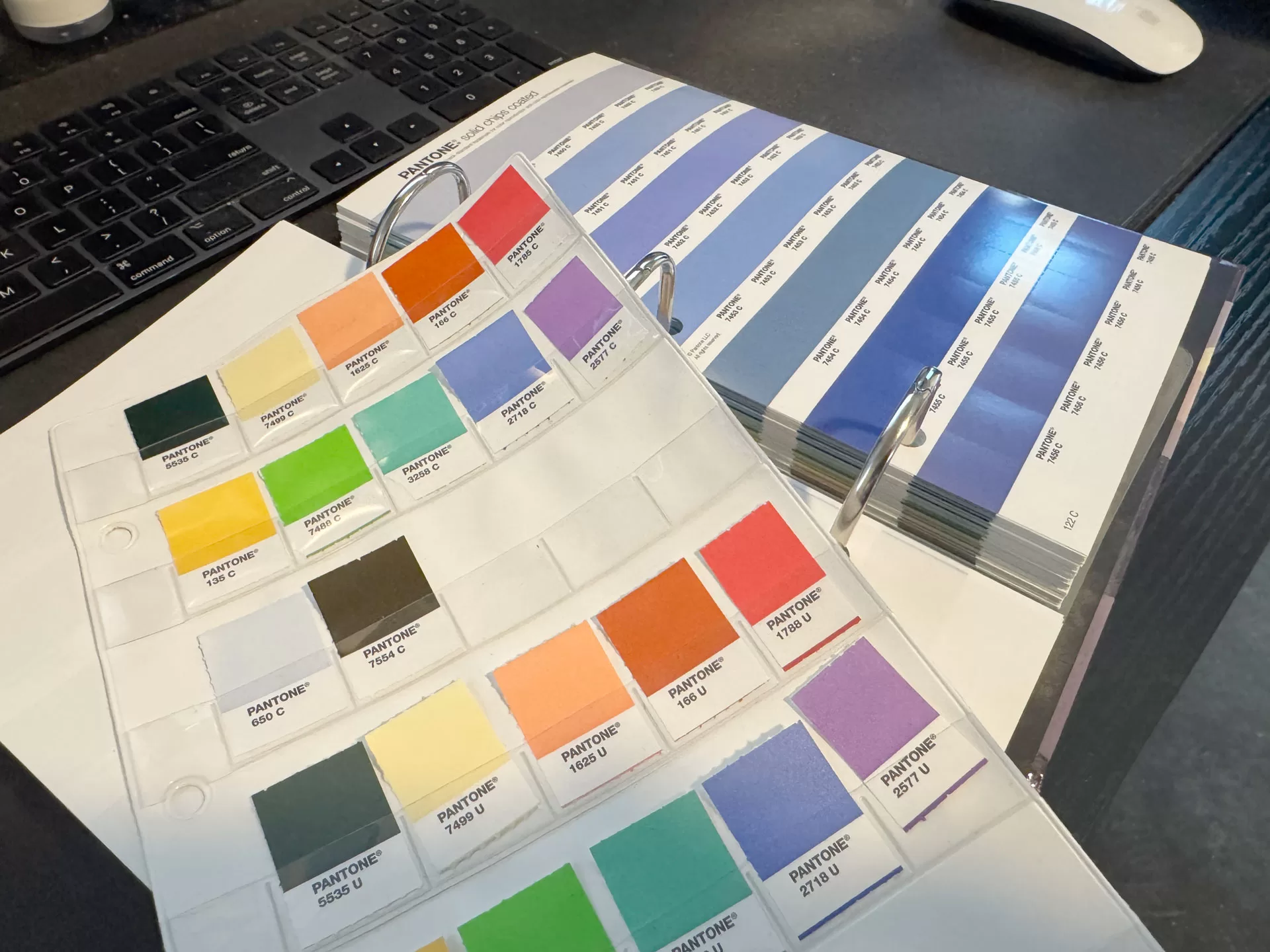

Colors do more than enhance your brand’s appearance. They evoke emotions, shape perceptions, and affect how people connect with your message. Color theory provides a framework—like the color wheel and harmony—but colors are not the same everywhere.
Cultural differences and personal experiences can change what a color communicates. Use this guide to explore the psychology of color for branding, design, and marketing:



Pinks
Cheerful and youthful, pink radiates happiness, hope, and playfulness. It has a softness that makes it approachable, perfect for brands aiming to feel uplifting and relatable. Its soothing qualities also make it suitable for calming environments.


Reds
Bold and dynamic, red captures attention right away. It conveys energy, strength, courage, and passion. In U.S. branding, red is often connected to romance, excitement, appetite, and intensity. It has a strong emotional impact and can even trigger physical responses, such as increased energy.



Oranges
Energetic and fun, orange combines the passion of red with the positivity of yellow. It feels playful and approachable, often linked to affordability, health, and creativity. Orange also stimulates appetite, making it a smart choice for food, wellness, and lifestyle brands.


Yellows
Bright and optimistic, yellow communicates happiness, creativity, and energy. It draws immediate attention, making it ideal for highlighting key brand features. However, softer shades can take on less positive meanings, like caution, decay, or betrayal—use them thoughtfully for the desired effect.


Greens
Fresh and balanced, green represents growth, health, and prosperity. It is closely associated with nature and sustainability, making it a favorite for eco-friendly brands. It also conveys wealth and stability in financial contexts. Its calming qualities make it one of the most universally appealing colors.


Blues
Trusted and timeless, blue conveys loyalty, wisdom, and calm. Lighter blues feel peaceful and approachable, while darker shades suggest authority, tradition, and confidence. Blue is one of the best colors for brands aiming to build trust and credibility.


Purples
Rich and regal, purple suggests luxury, sophistication, and creativity. It can elevate a brand’s status but may also indicate vanity or excess if used too much. In some cultures, purple is associated with mourning. Its strong psychological impact makes it a bold choice for brands that want to stand out.


Blacks
Sleek and powerful, black symbolizes sophistication, independence, and authority. It is a strong choice for luxury and premium branding. It can also represent secrecy or mourning, so context matters. Its bold neutrality allows it to pair well with any other brand color.
At the end of the day, color is not just about picking the right shade. It is about making people feel something before they even read a word or see a logo. Thoughtful color choices help brands connect, communicate, and create lasting impressions that go far beyond aesthetics. If you are ready to be more intentional with your visual identity and want design that actually supports your goals, I would love to help. Let’s talk about how O’Dell Design Co. can bring clarity, strategy, and confidence to your next project.